
The 6-6-6 Walking Challenge is everywhere—6 minutes of warm-up, 60 minutes of walking, 6 minutes of cool-down. It looks so simple when you're scrolling through social media, watching fit influencers breeze through their morning routine.
But if you're taking Ozempic, Wegovy, Mounjaro, or Zepbound? That's a whole different story.
Maybe you've tried it. Maybe you made it 15 minutes before feeling completely drained. Maybe you felt nauseous halfway through, or your legs felt like they were filled with cement. Maybe you thought, "What's wrong with me? Everyone else makes this look effortless."
Here's what I want you to know: You're not broken. You're not lazy. Your body is just working differently now, and with the right approach, you absolutely can master this challenge.
Sarah's Story: From 15 Minutes to Full Challenge
Sarah, a 38-year-old marketing manager from Phoenix, started Ozempic three months ago. Like so many of us, she was excited to try the viral walking challenge she kept seeing on her feed.
Week 1 Reality Check
She set her alarm for 6 AM, put on her favorite workout clothes, and headed out with determination. By minute 15, she was exhausted. By minute 20, she felt nauseous. She barely made it home.
"I felt like such a failure. Everyone online made it look so easy, and I couldn't even finish half of it."Three Months Later
Sarah completes the full 72-minute challenge four times a week. She has more energy now than before she started Ozempic, she's lost 32 pounds while maintaining her strength, and most importantly—she actually looks forward to her morning walks.
"I realized I wasn't failing at fitness. I was just using the wrong playbook."Why Your Body Needs a Different Approach
When you're on GLP-1 medications, your body processes energy differently. It's not about willpower—it's about understanding what's happening inside you.
Here's the science made simple
- Your stomach empties more slowly, so quick energy isn't readily available
- Your appetite is suppressed, which can create nutrient gaps
- Your blood sugar regulation changes, causing energy ups and downs
- You might be slightly dehydrated because nausea makes it hard to drink enough water
Sound familiar?
- "I start strong but crash completely by the 20-minute mark"
- "I feel sick to my stomach when I try to walk after eating"
- "My legs feel heavy, like I'm walking through mud"
- "I get dizzy during longer walks"
You're experiencing exactly what 73% of GLP-1 users report. The problem isn't you—it's that no one taught you how to work WITH your body instead of against it.
The 3-Phase Approach That Actually Works
Forget the "no pain, no gain" mentality. That doesn't work for GLP-1 users. Here's what does:
Foundation Building (Weeks 1-2)
Your only goal: Show up consistently, not perfectly.
Start with 20-30 minutes total. Yes, that's it. You're not aiming for the full challenge yet—you're learning how your body responds and finding your energy patterns.
Building Momentum (Weeks 3-4)
Your goal: Gradually increase without burnout.
Add 10 minutes each week. Pay attention to how you feel. If you're energized after your walks, you're on the right track. If you're exhausted, dial it back.
Full Challenge Mastery (Weeks 5+)
Your goal: Complete 72-minute sessions while actually enjoying them.
By now, you know your body's patterns. You've found your optimal timing. You've figured out what foods and supplements help you sustain energy.
Best times to walk
- 6-8 AM: Before your afternoon energy typically dips
- 9-10 AM: A few hours after breakfast, if you eat it
- 4-6 PM: Catching your second energy wave
Avoid 1-3 PM—this is when most GLP-1 users hit their energy crash.
The Energy Support Strategy
This is where most people get it wrong. They think they can just willpower their way through energy crashes. Here's what actually works:
Your energy timeline
- 60 minutes before your walk: Take a B-complex vitamin (supports energy production)
- 30 minutes before: Small protein snack—Greek yogurt with berries, protein shake, or hard-boiled egg
- During your walk: Sip electrolyte water every 15 minutes (not regular water—your body needs minerals)
- After your walk: Balanced meal within 30 minutes to help recovery
I keep a small bottle of electrolyte powder in my car. Game changer. No more mid-walk crashes.
Your 6-Minute Warm-Up That Actually Works
Most people skip the warm-up or do it halfheartedly. When you're on GLP-1 medications, those 6 minutes are crucial for success.
Minutes 1-2: Gentle Awakening
- Do ankle circles while you sip some water
- Gentle leg swings (imagine slowly kicking a beach ball)
- Arm circles in both directions
Minutes 3-4: Get Things Moving
- March in place, lifting knees toward hips
- Walk very slowly around your house or driveway
- Do 10-15 calf raises
Minutes 5-6: Ready to Roll
- Take five deep breaths (4 counts in, 6 counts out)
- Start walking slowly and gradually pick up your pace
- Do a quick body check: "How am I feeling today?"
The Walking Hour: Working With Your Energy
The strategy that changed everything for Jennifer, a 42-year-old teacher on Mounjaro
- Minutes 1-15: Easy pace (you could sing along to music if you wanted to)
- Minutes 16-30: Comfortable pace (you can chat easily with a walking buddy)
- Minutes 31-45: Your "work" pace (talking is possible but you'd prefer to focus)
- Minutes 46-60: Back to comfortable (you should finish feeling accomplished, not destroyed)
Every 20 minutes, do an energy check: Rate yourself 1-10. If you're at 8-10, keep going. If you're at 5-7, dial back the intensity. If you're at 3-4, slow down to an easy pace. If you're at 1-2, it's okay to stop, rest, and try again tomorrow.
I used to think I had to push through no matter what. Learning to listen to my body and adjust made all the difference. Now I can complete the full hour because I'm not burning myself out in the first 20 minutes.
When Things Don't Go According to Plan
Let's be real—some days are going to be harder than others. Here's how to handle the most common challenges:
"I feel nauseous during my walk"
Wait at least 2 hours after eating before walking. Start with an electrolyte drink 30 minutes beforehand. Keep ginger chews in your pocket. If possible, choose outdoor routes—fresh air really helps.
"I crash halfway through"
Bring a quick energy source like a banana or energy bite. Make sure you took your B-vitamins an hour before walking. Consider whether you need to adjust your medication timing (talk to your doctor about this).
"My legs feel heavy and weak"
Add light strength training twice a week (even just bodyweight squats and wall push-ups help). Increase your protein intake. Make sure you're getting enough sleep—7-9 hours makes a huge difference in how your muscles feel.
"I get dizzy"
Increase your water intake throughout the day, not just during your walk. Stand up slowly from sitting positions. Avoid walking in extreme heat. If this continues, check with your doctor about blood pressure changes.
Remember: Modifying isn't failing. It's being smart.
Real Women, Real Results
I was skeptical about whether I could handle long walks while dealing with side effects. The phased approach changed everything. I started with 15-minute walks, and now I'm doing the full challenge. Best part? I actually enjoy it.
The energy support made all the difference. Once I learned about timing my vitamins and snacks, my walks went from torture to the best part of my day. I've lost 28 pounds and kept all my muscle.
Between work and a toddler, I thought I'd never have energy for exercise. The 6-6-6 challenge gave me structure I could actually stick to. My husband noticed I'm happier and more energetic overall.
The Simple Nutrition Foundation
You don't need a complicated meal plan. Just focus on supporting your body before, during, and after your walks:
Before (30-60 minutes)
- Greek yogurt with berries
- Protein smoothie with spinach
- Hard-boiled egg with whole grain toast
- Handful of almonds with apple slices
After (within 30 minutes)
- Chocolate milk (if your stomach tolerates dairy)
- Protein smoothie with banana
- Turkey and avocado wrap
- Greek yogurt with granola
Supplements that help
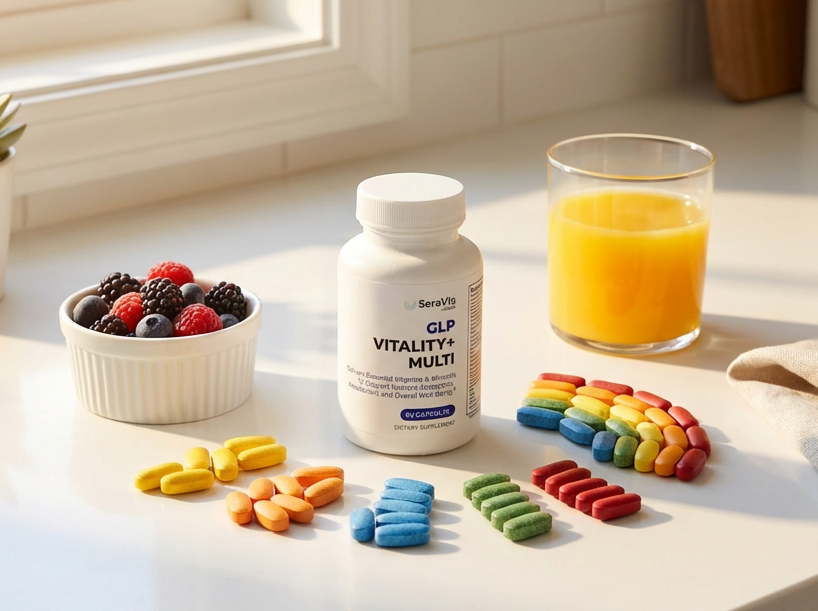
- B-Complex vitamin for energy
- Magnesium for muscle function
- Quality electrolyte powder
- Vitamin D3 for overall strength
Always check with your healthcare provider before starting new supplements.
The Bottom Line
The 6-6-6 Walking Challenge isn't just possible for women on GLP-1 medications—it can be transformative when you approach it with the right strategy.
Your body has unique needs now. Instead of fighting against those changes, work with them. Support your energy properly. Build up gradually. Listen to what your body is telling you.
The goal isn't to be like everyone else on social media. The goal is to feel strong, confident, and proud of what your body can do.
Ready to Start Your Journey?
The strategies in this guide will help you master the 6-6-6 Challenge, but having the right nutritional support can make the difference between struggling through workouts and actually enjoying them.
SeraVia Muscle+ Protect was created specifically for women like you who want to maintain their energy and strength while using GLP-1 medications.
What makes it different
- Targeted B-vitamins for sustained energy metabolism
- Essential amino acids to protect and maintain muscle mass
- Electrolyte complex for better hydration and performance
- Adaptogenic herbs for steady energy without crashes or jitters
Hundreds of women have successfully combined Muscle+ Protect with the 6-6-6 Challenge to achieve their health goals while feeling strong and confident.
Start Your 6-6-6 Journey with Confidence →30-day money-back guarantee. If Muscle+ Protect doesn't support your walking goals the way you hoped, we'll refund every penny. No questions asked.
This information is for educational purposes only. Always consult with your healthcare provider before starting any new exercise routine or supplement regimen, especially while taking GLP-1 medications. Individual results may vary.