GLP-1 medications like Ozempic®, Wegovy®, Mounjaro™, Zepbound™, and Retatrutide have become powerful allies in weight loss, insulin regulation, and appetite control.
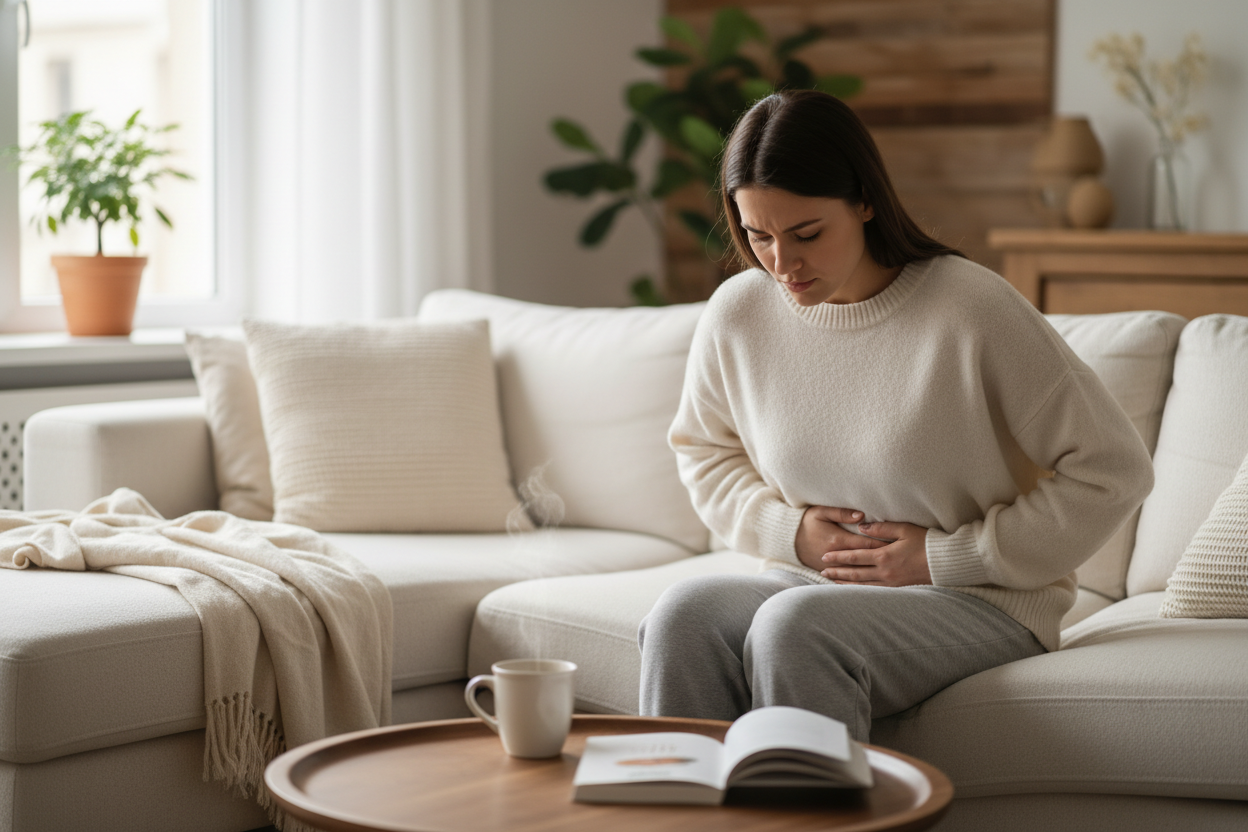
But for many users, the excitement of results comes with a frustrating side effect: Persistent nausea. Bloating. Irregular digestion. Constipation.
If you’ve felt it, you’re not alone and you’re not imagining it.
These gut-related symptoms aren’t just common they’re baked into how GLP-1s work. Let’s unpack why this happens, and what you can do to restore balance, feel better, and stay on track with your health goals.
Why GLP-1s Upset the Gut: The Science Behind the Symptoms
GLP-1 medications work by:
- Slowing gastric emptying (how quickly your stomach moves food into the intestines)
- Reducing hunger hormones
- Increasing satiety (fullness signals)
That’s what makes them so effective for weight loss but here’s the catch:
When the gut slows down, it disrupts your entire digestive rhythm.
Common side effects include:
- Nausea or early satiety
- Bloating and gassiness
- Constipation or irregular bowel movements
- Feeling “off” or foggy, especially after meals
This slowdown also affects how your gut microbiome functions - the good bacteria that regulate digestion, mood, metabolism, and immunity.
The Gut-Brain Axis: Why It Matters More on GLP-1s
Your gut and brain are in constant communication through the gut-brain axis which is the network of nerves, hormones, and neurotransmitters (like serotonin) that keep you balanced.
When digestion is impaired:
- Serotonin production drops (90% of it is made in the gut)
- Your mood may dip
- Cravings may spike
- Motivation and focus can take a hit
So while GLP-1s manage physical hunger, an unhappy gut can stir up emotional discomfort. It’s a full-body experience and that’s why gut support isn’t optional, it’s essential.
Why Nausea Happens And How to Relieve It Naturally
GLP-1-related nausea is most intense:
- In the early weeks of treatment
- After dose increases
- When eating large or high-fat meals
This happens because food stays in the stomach longer, creating pressure, gas, and slowed enzyme release - all of which make you feel queasy or uncomfortably full.
To reduce nausea:
- Eat slowly and stop before you feel “full”
- Focus on smaller, more frequent meals
- Prioritize easy-to-digest foods like cooked vegetables, broths, and soft proteins
- Stay upright for at least 30 minutes after eating
- Avoid excess fat and sugar during high-dose adjustment periods
And, maybe most importantly, support your microbiome and digestion consistently.
Supporting Your Gut Microbiome During GLP-1 Therapy
Healthy digestion isn’t just about what you eat it’s also about what your body can break down and absorb.
Here’s what helps most women rebalance their gut on GLP-1s:
1. Probiotics & Prebiotics
Nourish and restore beneficial bacteria. Look for strains like Lactobacillus and Bifidobacterium, paired with prebiotic fibers like inulin or chicory root.
2. Digestive Enzymes
Since GLP-1s slow enzyme secretion, adding a gentle, plant-based enzyme blend can ease post-meal discomfort and improve nutrient absorption.
3. Gentle Fiber
Soluble fibers (like psyllium or acacia) help regulate bowel movements without triggering bloating especially when hydration is on point.
4. Hydration + Electrolytes
Slow digestion often equals dehydration. Adding electrolytes (magnesium, potassium, sodium) helps restore motility and prevent constipation.
A Woman’s Gut Is Different - Here’s What to Know
Women tend to experience more intense digestive side effects on GLP-1s due to hormonal fluctuations and naturally slower GI motility.
That’s why gut support tailored to female physiology, not just weight loss, is key.
It’s not about “pushing through” the symptoms. It’s about working with your body so your progress feels good, sustainable, and empowering.
Lifestyle Tips That Make a Real Difference
Small changes = big relief.
- Start your day with warm lemon water or herbal tea - stimulates gentle digestive movement without caffeine overload.
- Move gently after meals - a short walk aids gastric emptying and reduces post-meal nausea.
- Wind down well - sleep is when the gut regenerates. Aim for 7–9 hours and reduce screen time at night to support the gut-brain axis.
- Track your triggers - certain foods (raw veggies, fried meals, dairy) may worsen symptoms. Use a journal to spot patterns.
When Natural Support Makes the Journey Easier
While lifestyle changes are foundational, many GLP-1 users benefit from gentle, plant-based supplementation especially during those rough early weeks.
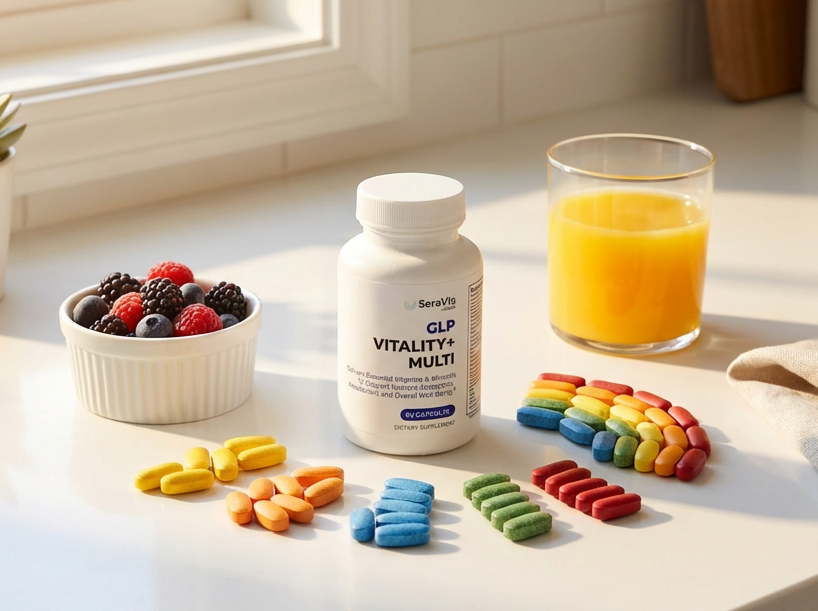
That’s why we formulated SeraVia’s GLP+ Support Stack which is designed to work with your body during every phase of your transformation.
These include:
- GLP Gut+ Balance – for probiotics, enzymes, and fiber in one daily capsule
- GLP Detox+ Shield – to support the liver as toxins are released during fat loss
- GLP Hydration+ Restore – because water + electrolytes = smoother digestion
Use them daily or just when needed. Your gut will thank you.
Final Thoughts: Your Gut Is the Center of Your Transformation
You’re doing something incredible. Reclaiming your health, your energy, and your confidence with the help of GLP-1 therapy.
But remember: You don’t have to sacrifice comfort to get results.
Supporting your gut is a gift to your whole self — body, brain, and beyond.
You deserve to feel good every step of the way.
Want expert-formulated support to ease GLP-1 digestion?
Explore our gentle, targeted formulas - created by women, for women, walking the same journey as you.